
7 Common Washing Machine Mistakes You Should Avoid for Longevity and Efficiency

Washing machines have become a cornerstone of modern households, saving countless hours and effort on laundry day. Yet, many people unknowingly make mistakes that reduce their machine’s lifespan and efficiency. These errors can lead to poor cleaning results, costly repairs, or even damage to your clothes. Understanding what to avoid helps you get the most out of your washing machine and keeps your laundry routine smooth.
At Tumble LLC, we know how important a well-maintained washing machine is for clean, fresh clothes without hassle. We offer laundry services that handle everything from pickup to drop-off, so you can relax while your laundry is done right. Meanwhile, here are seven common washing machine mistakes to avoid.

Overloading the Machine
One of the most frequent mistakes is stuffing too many clothes into the washing machine. Overloading prevents clothes from moving freely, which reduces cleaning effectiveness. It also puts extra strain on the motor and drum, increasing wear and tear.
What happens when you overload?
Clothes don’t get rinsed properly, leaving detergent residue.
The machine may become unbalanced during spin cycles, causing loud noises or shaking.
Increased risk of mechanical failure due to excess weight.
How to avoid overloading
Follow the manufacturer’s load size recommendations.
Leave enough space for clothes to tumble freely.
For bulky items like blankets or jackets, wash them separately or in smaller loads.
By respecting your machine’s capacity, you protect it from damage and get cleaner clothes.
Using Too Much Detergent
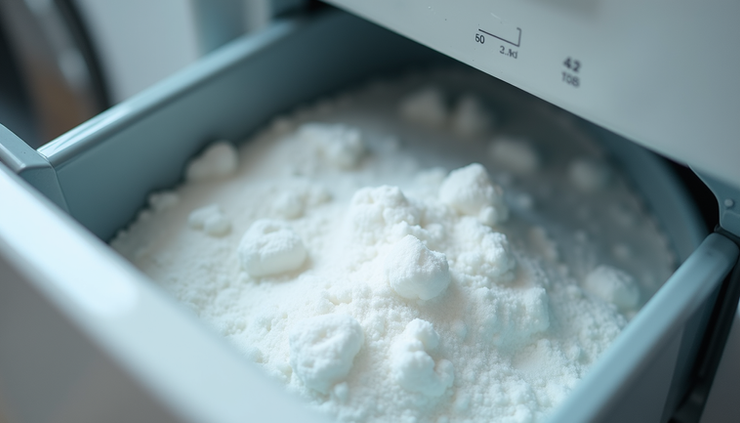
Many people think that more detergent means cleaner clothes, but that’s not true. Using too much detergent can cause buildup inside the machine and on your clothes.
Problems caused by excess detergent
Soap residue clogs the detergent drawer and internal parts.
Clothes may feel stiff or sticky after washing.
Over time, buildup can cause odors and mold growth inside the machine.
Tips for proper detergent use
Measure detergent carefully according to load size and soil level.
Use high-efficiency (HE) detergent if your machine requires it.
Avoid “extra” detergent unless you have heavily soiled items.
Using the right amount of detergent keeps your machine clean and your clothes fresh.
Not Cleaning the Machine
Washing machines need regular cleaning to remove detergent residue, dirt, and mildew. Skipping this step leads to unpleasant smells and poor washing performance.
Signs your machine needs cleaning
Musty or sour odors coming from the drum.
Visible mold or mildew around the door seal.
Clothes don’t smell fresh after washing.
How to clean your washing machine
Run a monthly cleaning cycle with washing machine cleaner or white vinegar and baking soda.
Wipe down the door seal and detergent drawer regularly.
Leave the door open after washing to let the interior dry.
Routine cleaning extends your machine’s life and keeps your laundry smelling great.
Not Checking Pockets
Forgetting to check pockets before washing is a common cause of machine damage and ruined clothes. Items like coins, keys, or tissues can cause blockages or stains.
Risks of leaving items in pockets
Coins and small objects can damage the drum or pump.
Tissues can disintegrate and leave lint all over clothes.
Sharp objects may tear fabric or damage the machine’s interior.
Best practice
Always empty all pockets before loading clothes.
Shake out clothes to remove loose debris.
Use a mesh laundry bag for small items like socks or delicate pieces.
This simple step prevents costly repairs and keeps your clothes safe.
Using the Wrong Size of Detergent
Detergents come in different formulations for standard and high-efficiency (HE) machines. Using the wrong type can affect cleaning and damage your washer.
Why detergent type matters
HE detergents produce fewer suds, which is essential for HE machines.
Standard detergents create too many suds in HE washers, leading to residue buildup and mechanical issues.
Using the wrong detergent can void your machine’s warranty.
How to choose the right detergent
Check your washing machine’s manual for detergent recommendations.
Use HE detergent for front-loading and HE top-loading machines.
For older machines, standard detergent may be appropriate.
Choosing the right detergent protects your machine and improves washing results.
Using Harsh Chemicals
Some people use bleach or other strong chemicals improperly, which can harm both clothes and the washing machine.
Potential damage from harsh chemicals
Bleach can corrode rubber seals and hoses if used excessively.
Harsh chemicals may fade or weaken fabrics.
Residue buildup can cause odors and mechanical problems.
Safe chemical use
Follow instructions carefully when using bleach or stain removers.
Use diluted solutions and avoid pouring chemicals directly into the drum.
Consider oxygen-based bleach alternatives for gentler cleaning.
Using chemicals responsibly keeps your machine and clothes in good condition.

Ignoring Strange Noises
Unusual sounds during washing or spinning often signal a problem. Ignoring these noises can lead to bigger issues and costly repairs.
Common causes of strange noises
Objects stuck in the drum or pump.
Worn bearings or loose parts.
Unbalanced loads cause banging or rattling.
What to do when you hear noises
Stop the machine and check for foreign objects.
Redistribute clothes evenly in the drum.
Schedule professional maintenance if noises persist.
Listening to your machine helps catch problems early and avoid breakdowns.


Comments